Cache County, Utah, would exempt 102 emergency vehicles from emissions tests
By Sharing Economy RadarPublished
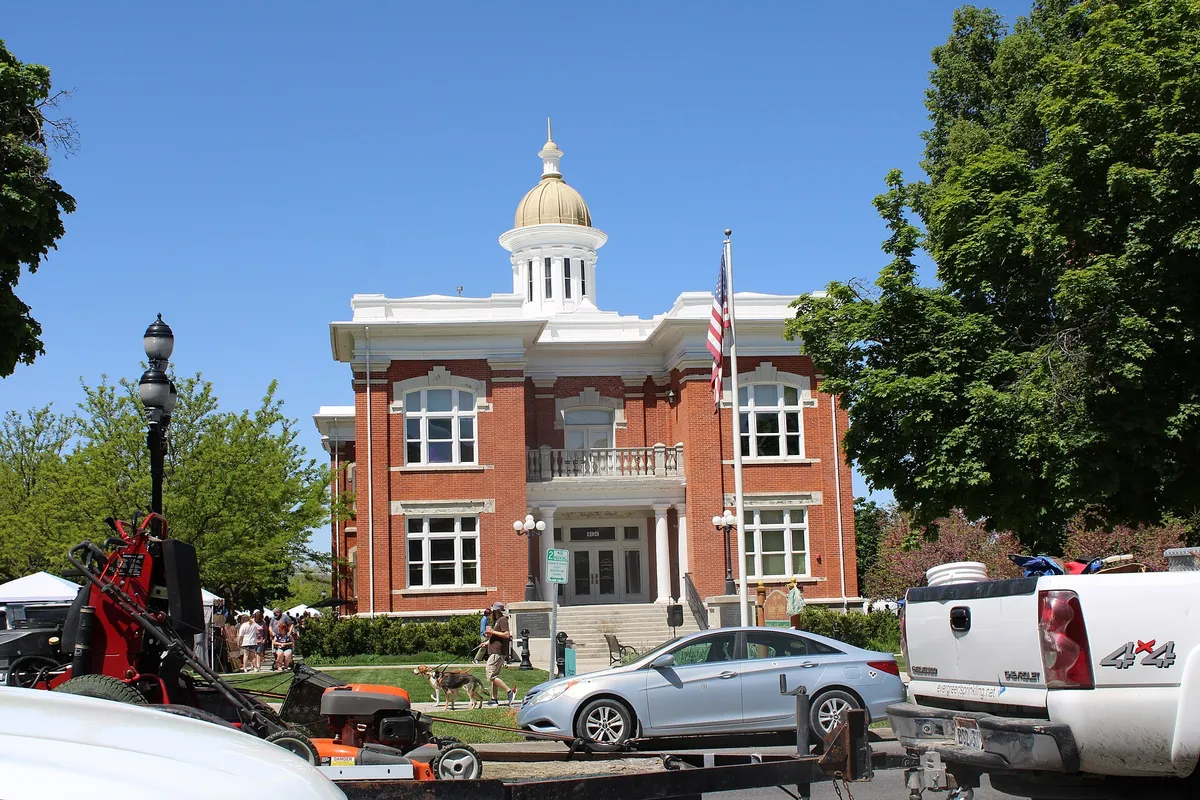
Police cars, ambulances and fire department vehicles in Cache County, Utah, would drop out of the county's emissions testing program under state changes that the U.S. Environmental Protection Agency has proposed to approve.
Every two years, the program requires an onboard diagnostic system check.
Utah's package also adds a waiver for owners who can't get the parts a repair calls for, and it rewrites what counts as an inspection station.
Utah sent the changes on Feb. 28, 2025, and the EPA set out its reasoning in a proposal in the Federal Register. Written comments must reach the agency by Monday, Dec. 28, 2026.
Of the 124,718 vehicles registered in Cache County, just 102 are emergency vehicles, or 0.08 percent.
Besides fire, police and ambulance vehicles, the exemption would cover any others the Department of Public Safety designates.
With so few involved, the EPA wrote, the exemption "would result in a nearly negligible change in emissions reductions, and an even more attenuated change in air quality benefits."
Before a parts waiver is granted, the program must document that the part can't be found, and two licensed inspection stations must certify it.
Those waivers would still face the other conditions already approved for the county.
State and county officials expect no more than 10 waivers a year from the change. In the 2025 reporting period, the Bear River Health Department reported zero waivers of any kind.
Should that rate climb notably, the county must note the trend in its annual report to the EPA and adjust the program.
Testing could also come to drivers. Dropping the word "stationary" from the definition of an inspection station lets testers work away from fixed sites, a step that follows a mobile testing pilot in 2023.
Mobile testing, the EPA said, "promotes motorist convenience and does not affect the subject vehicle population size," and it leaves the rules for stations and inspectors as they were.
Since Jan. 1, 2014, the program has run in full under the Bear River Health Department, which oversees public health in the county.
Its latest air quality design value, for the three years centered on 2024, was 30.6 micrograms per cubic meter. That's below the standard of 35.
Approval wouldn't add anything to what Utah already requires. In the agency's words, the action "merely proposes to approve State law as meeting Federal requirements and does not impose additional requirements beyond those imposed by State law."
Comments go through Regulations.gov under docket EPA-R08-OAR-2026-4555; once filed, they can't be edited or removed. Questions go to Gregory Lohrke of the EPA's Air and Radiation Division in Region 8, at (303) 312-6396.